
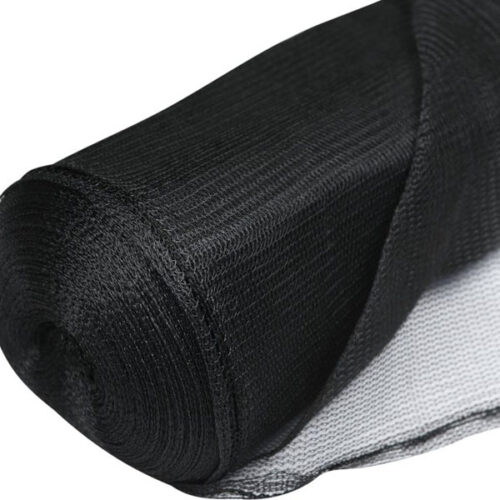
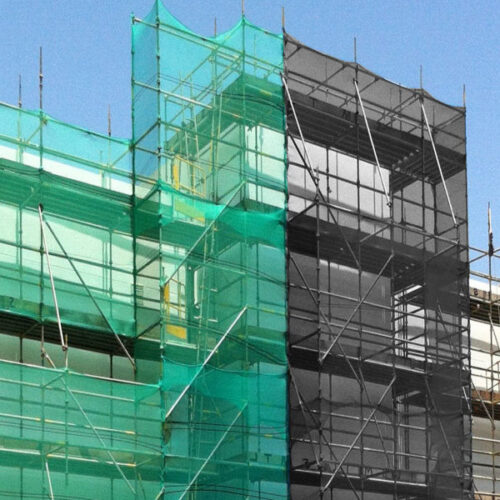
Black Debris Netting – 50gsm UV Stabilised Scaffold Netting
Price range: £ 48.99 through £ 98.99
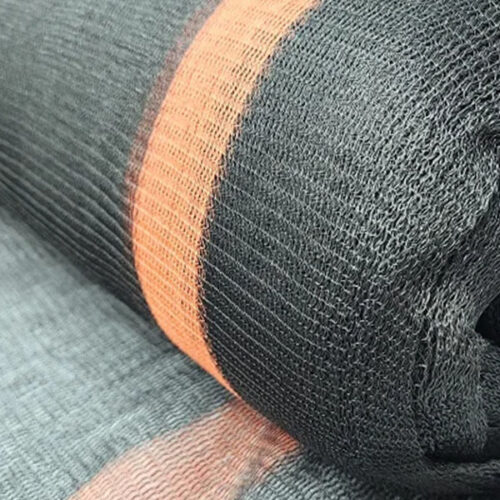
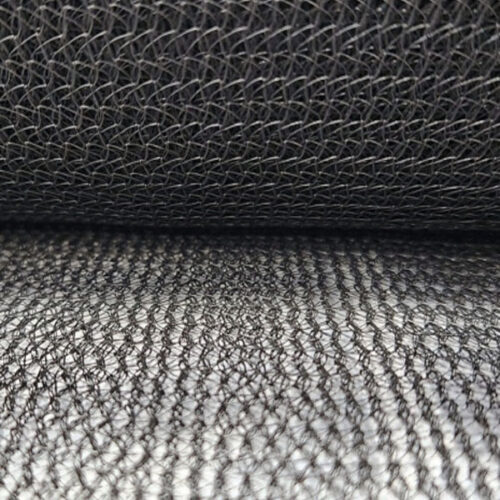
Black Debris Netting – 60gsm Flame Retardant Netting
Price range: £ 110.99 through £ 181.99
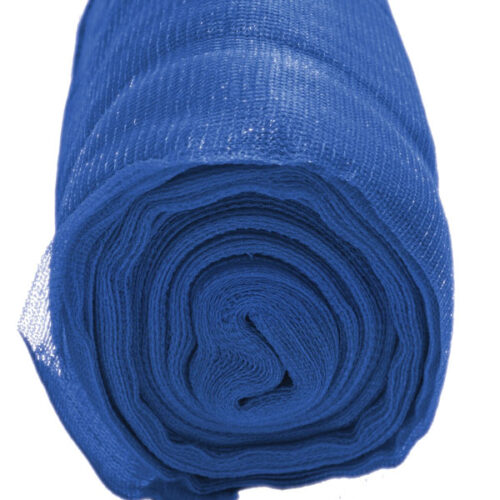
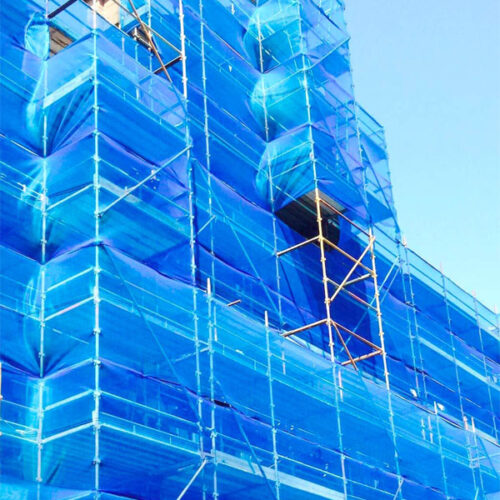
Blue Debris Netting – 50gsm Scaffold Netting
Price range: £ 48.99 through £ 98.99
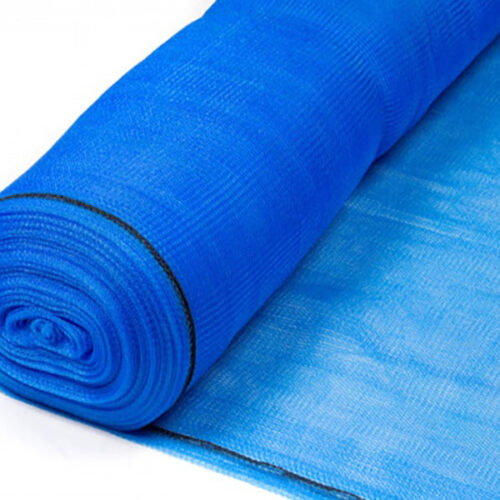
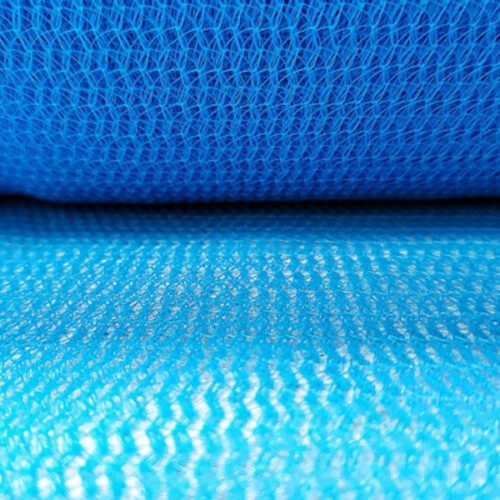
Blue Flame Retardant Debris Netting – 60gsm Safety Netting
Price range: £ 110.99 through £ 181.99
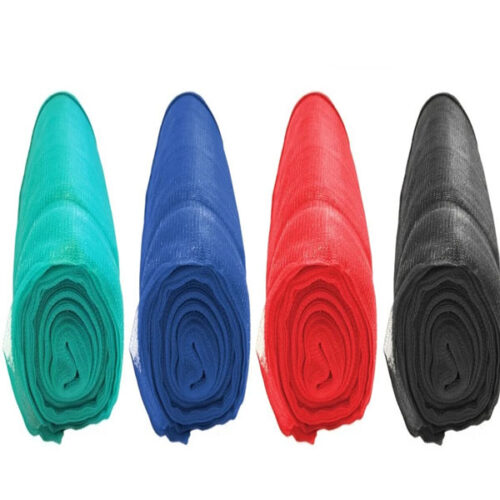
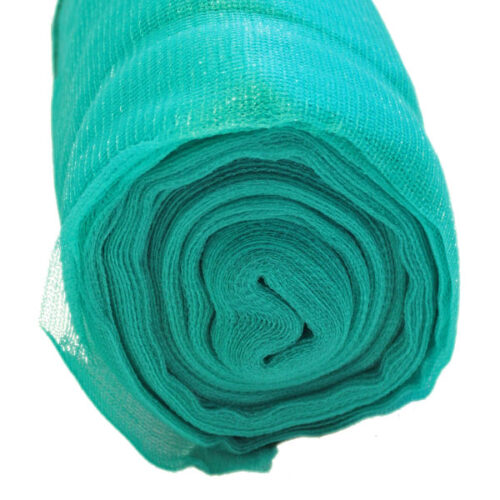
Durable Debris Netting – 70gsm scaffolding Net
Price range: £ 66.99 through £ 101.99
Green Debris Netting – 50gsm UV Stabilised Scaffold Netting
Price range: £ 48.99 through £ 98.99
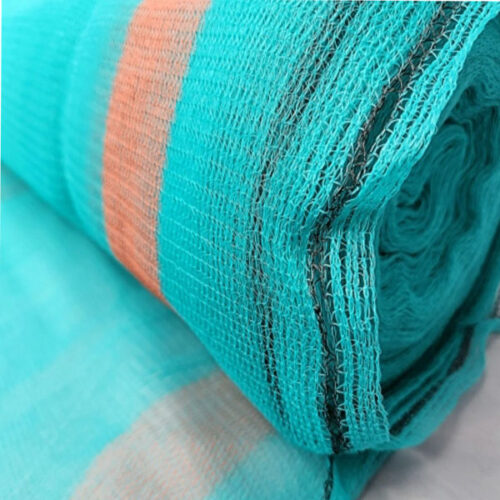
Green Fire Retardant Debris Netting – 60gsm Netting With TS62 Certificate
Price range: £ 110.99 through £ 181.99
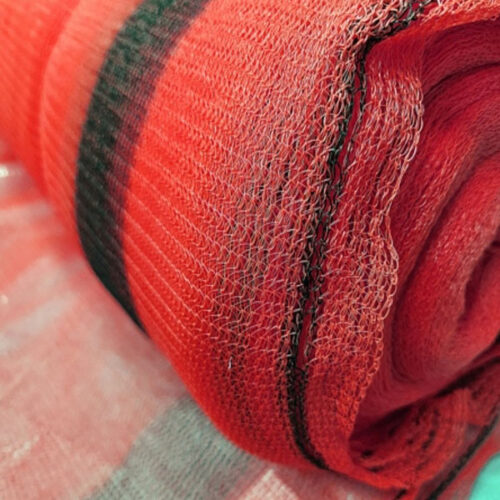
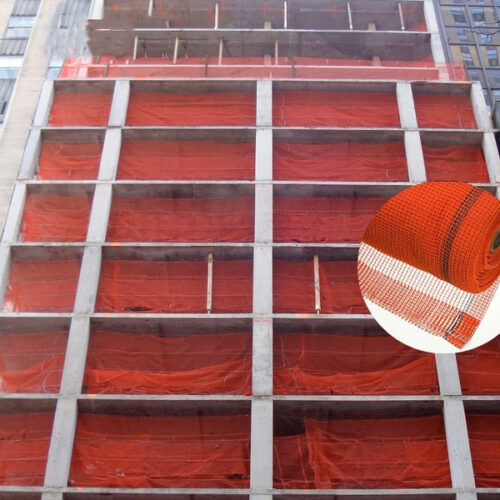
Red Debris Netting – 60gsm Flame Retardant Netting
Price range: £ 110.99 through £ 181.99
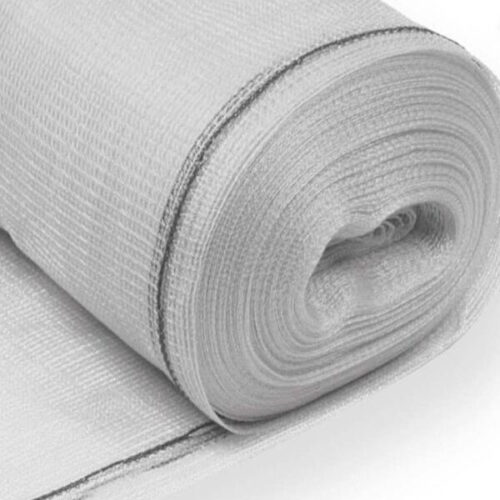
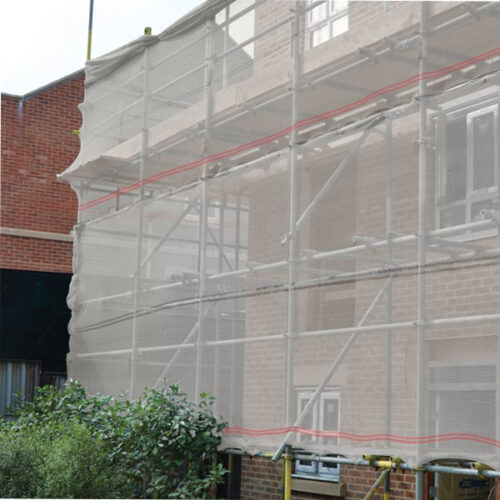
50Gsm Black Debris Netting for Safety and Protection
Our Debris netting keeps the construction area safe. It also prevents damage from falling objects. 50gsm Scaffold debris netting covers tools and materials. Workers count on it for safety.
Scaffold sheeting adds a layer of protection. Additionally, debris netting prevents dust and other small debris from blowing away. As a result, it saves time and avoids accidents.
Our 50gsm debris netting Wind and weather-resistant . At last, workers and the general public remain safer. It is effective for outdoor projects and construction jobs.
Durable Material in Debris Netting
Debris netting refers to a strong, woven material. As a result, it has high tear strength and heavy impact strength. Polyethylene or nylon are common materials for scaffold sheeting. Scaffold debris netting will last longer than covers.
The material is light but strong. Moreover, it stretches a little to absorb impact without breaking. Debris nets catch tolls, little stones, and dust. Scaffold debris netting is trusted by people for all levels of construction.
Also, scaffold sheeting helps keep the area tidy. Debris netting is simple to manage and install. Employees can quickly attach it to poles or scaffolding. As a result, durable debris netting should save your effort, time, and money.
Easy Installation of 60gsm Debris Netting
It is easy to install debris netting. These netting can attach with ropes, clips, or hooks. In addition, scaffold sheeting fits a range of scaffold sizes. They can easily stretch it.
Debris netting helps to minimize gap formation and protects the public from falling tools and debris. Plus, scaffold debris netting prevents dust from blowing into the area. Apartments, offices, and outdoor projects
Installation does not require heavy tools. Thus, 60 gsm debris nets are time-efficient. Employees can reposition and alter it quickly. Wind cannot dislodge the scaffold sheeting. Debris netting will help ensure safety on Construction sites
White Flame Retardant Debris Netting for Construction Sites
Construction sites require essential debris netting. Depends on the form of scaffold debris netting for safety. Moreover, it prevents rocks and dust from falling on the workers. Scaffold sheeting shields the area from exposure.
Our White Debris netting makes your work safer. Additionally, it helps to minimize accidents and injuries. Scaffold debris netting is used in high-rise, renovation, and outdoor scaffolds.
Lightweight and Flexible Debris Netting
Debris netting is lightweight yet strong. Also, scaffold debris netting can be rolled and moved easily. Scaffold sheeting does not add heavy weight to structures.
Our debris netting is easy to handle for workers. Scaffold sheeting is simple to fold and store. Lightweight netting saves effort without reducing safety. Therefore, it works well for long time projects every day.
Why Choose Us
Our Debris netting and privacy netting guarantees safety and protection. Our scaffold sheeting protects the workers and public from falling debris. It protects others nearby from falling objects, dust, and debris.
Lastly, Our debris netting is lightweight, reusable, and made from a good quality material .
Frequently Asked Questions
What is debris netting used for?
Debris netting is used on construction sites to contain falling debris and materials, preventing them from reaching ground level. It is also used to protect windows and surfaces from dust and splatter.
What is the difference between debris netting and scaffold netting?
The major difference between the two is that debris netting is used to catch falling debris and protect workers, pedestrians, and nearby property, while scaffold netting is used to enclose and protect scaffold structures.
What is debris netting made from?
Most debris netting is made from HDPE (High-Density Polyethylene) or polyethylene (PE) monofilament. Our debris netting is primarily made from PE monofilament, which creates an open-mesh design that helps contain debris while allowing air to pass through.
How strong is debris netting?
The strength of debris netting depends on the material, GSM, and construction method. Generally, a higher GSM indicates greater strength and durability.
How do you install debris netting?
Debris netting is installed by attaching it to structures using bungee cords, bungee balls, or poly rope. These fixing methods help secure the netting firmly in place and prevent it from moving in windy conditions.
Does debris netting allow airflow?
Debris netting made from PE (polyethylene) allows air to pass through because it has an open-mesh design. This helps reduce wind resistance while effectively containing debris.
Is debris netting flame retardant?
Standard debris netting is not flame retardant. However, there are a few flame-retardant debris netting options available, such as Black 60gsm Flame Retardant Netting and Blue 60gsm Flame Retardant Netting.